← Back to Software & IT

Systems Analysis · Information Architecture · UML · Data Modeling

Trent College Student Information System

A comprehensive systems proposal for replacing fragmented legacy applications with a secure, integrated, web-based student information system.

  • Systems Analysis
  • Requirements Modeling
  • UML
  • Data Modeling
  • Accessibility
  • Project Planning
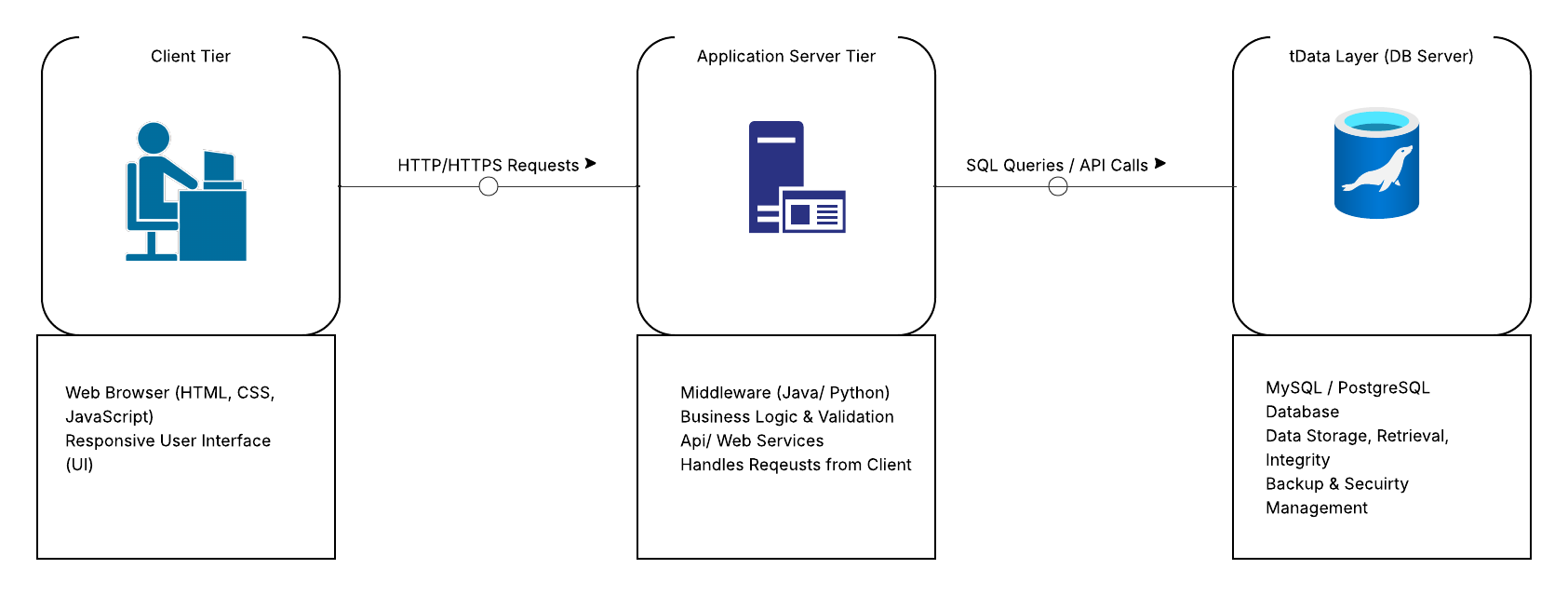
Three-tier system architecture for the Trent College Student Information System
Proposed three-tier system architecture

Project overview

Modernizing a fragmented college information system

Trent College relied on separate legacy applications for student records, scheduling, billing, and reporting. Departments frequently had to re-enter the same information, creating delays, duplicate records, inconsistent reporting, and additional administrative work.

I developed a proposal for an integrated Student Information System that would bring student, faculty, billing, registration, scheduling, and administrative information into a secure web-based platform.

The project combines systems analysis, technical architecture, database design, business-process modeling, interface planning, accessibility, project management, and feasibility analysis.
The challenge

Replace disconnected systems without disrupting the institution's daily operations.

Existing problems

  • Duplicate data entry between departments
  • Slow administrative workflows
  • Inconsistent information and reporting
  • Limited access to reliable real-time information
  • Increased staff workload
  • Limited scalability as enrollment grows

Proposed direction

The new system centralizes student and institutional data while providing secure role-based access for students, faculty members, administrators, finance personnel, and other authorized stakeholders.

Information entered once can then update connected processes such as registration, faculty rosters, schedules, and billing.

Stakeholders

One system serving multiple user groups

01

Students

Register for courses, review schedules, view grades, manage account information, and complete payments.

02

Faculty

Manage rosters, enter grades, review schedules, and communicate with students.

03

Administrators

Manage institutional records, access reports, maintain system settings, and oversee permissions.

04

Billing

Process payments, maintain financial information, and synchronize student account balances.

Requirements modeling

Connecting users to one central source of data

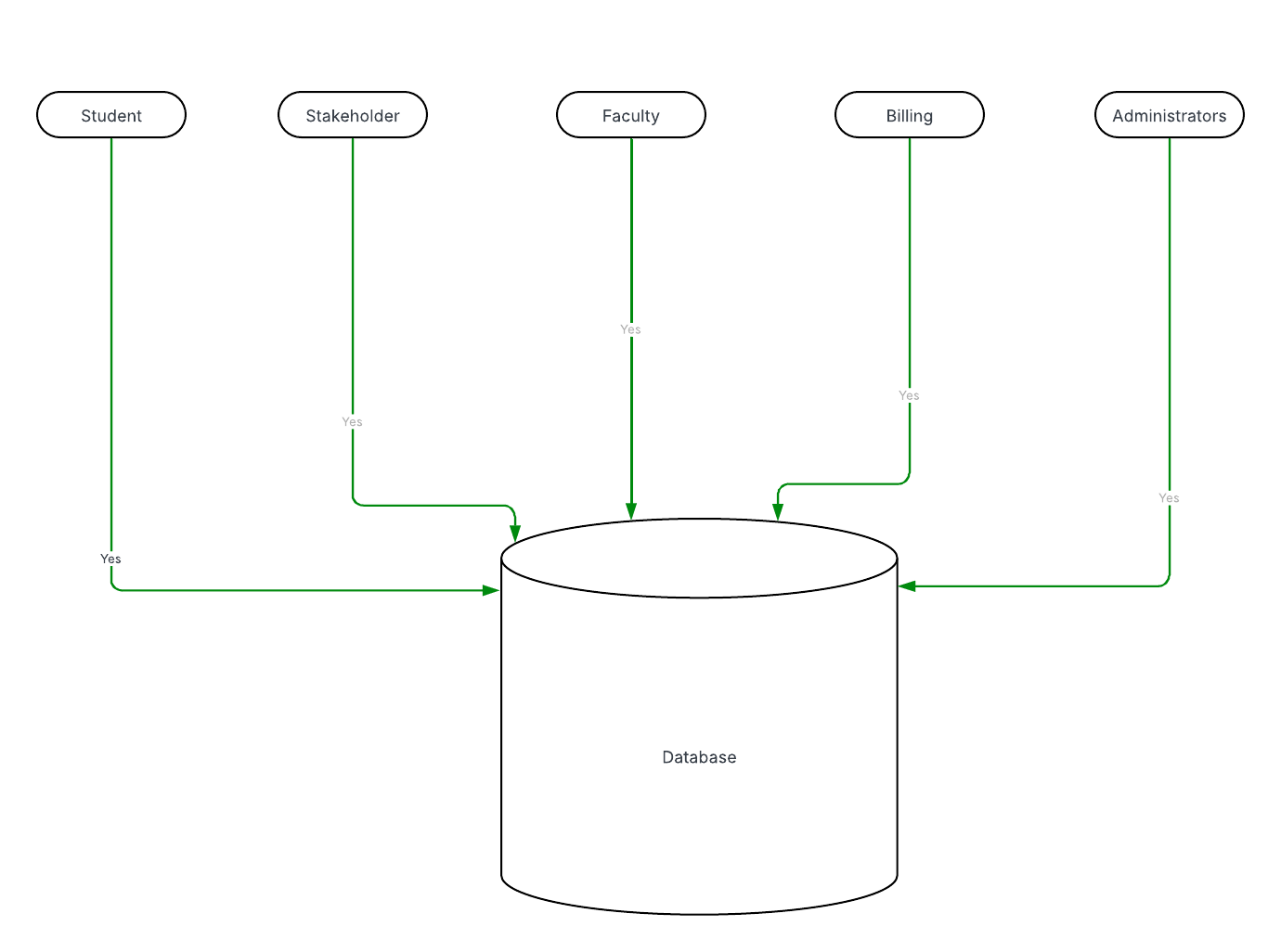
The requirements model establishes how students, faculty, billing personnel, administrators, and other stakeholders interact with the centralized database.

Role-specific interfaces allow each group to access the information and functionality required for their responsibilities.

Trent College requirements model showing students, stakeholders, faculty, billing, and administrators connected to a central database
Requirements model showing system stakeholders interacting with the centralized database.

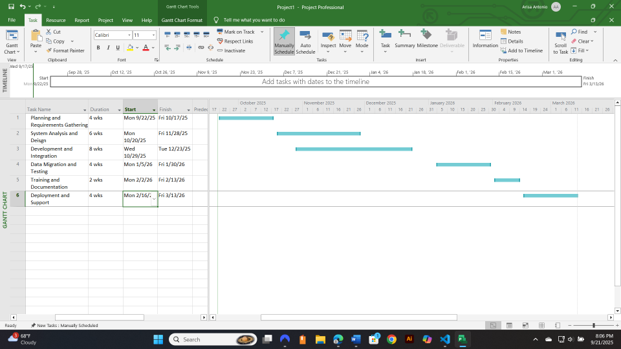
Project planning

A phased implementation designed to reduce risk

01

Planning

Requirements gathering and stakeholder interviews.

02

Design

Technical specifications and system configuration.

03

Development

Module development and system integration.

04

Migration

Data cleanup, transfer, validation, and testing.

05

Training

Documentation and staff preparation.

06

Deployment

Pilot rollout, launch, monitoring, and support.

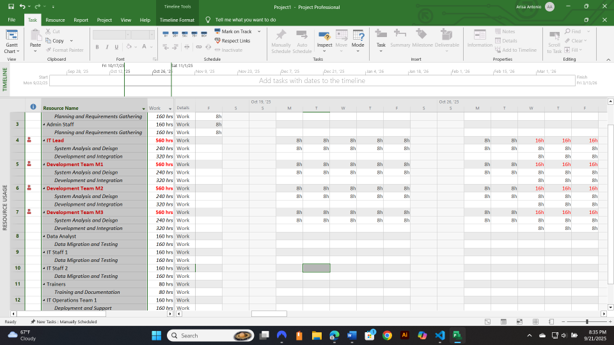
Gantt chart showing the Trent College Student Information System implementation schedule
SIS implementation Gantt chart
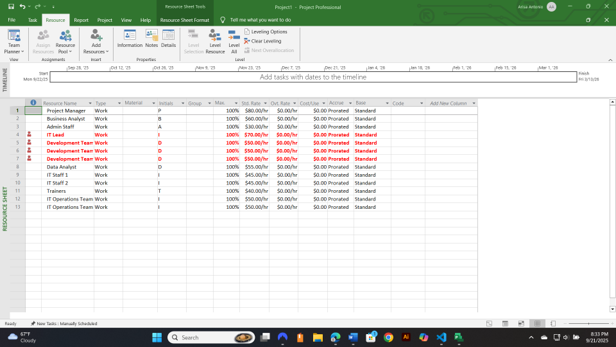
Expanded work breakdown structure for the Trent College Student Information System implementation
Expanded work breakdown structure
Collapsed work breakdown structure for the Trent College Student Information System
High-level project workflow

System architecture

A three-tier architecture separates interface, business logic, and data.

01

Client tier

A responsive browser-based interface built with front-end web technologies.

02

Application tier

Middleware handles validation, business rules, application services, and client requests.

03

Data tier

A relational SQL database manages secure storage, retrieval, integrity, backups, and permissions.

Three-tier Trent College system architecture with client, application server, and database layers
Three-tier system architecture

Business process model

Modeling the student enrollment workflow

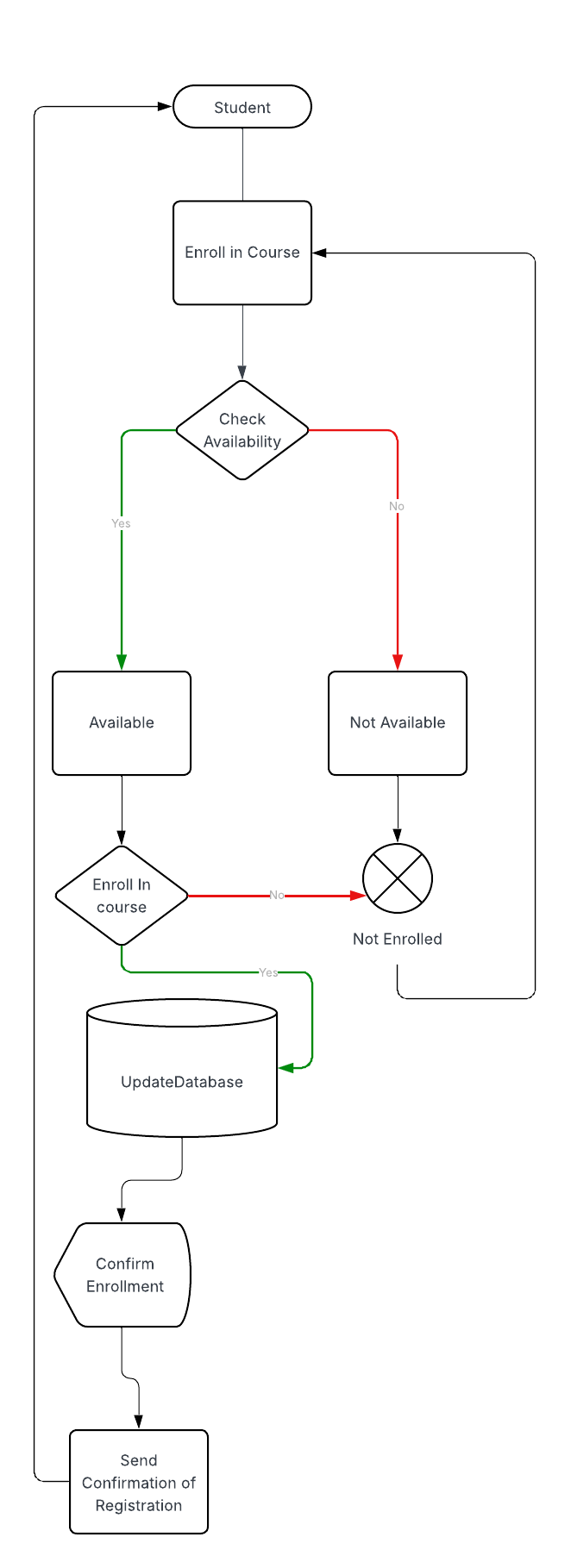
Enrollment begins when a student chooses a course. The system checks availability before allowing registration to continue.

A successful registration updates the central database and generates confirmation. If a course is unavailable or enrollment fails, the user receives the appropriate status instead.

Student enrollment workflow showing availability checks, registration, database updates, and confirmation
Student enrollment workflow

Data flow

Mapping information as it moves through the system

Data flow diagram for student enrollment in the Trent College Student Information System
Enrollment data flow diagram

Why model the data flow?

Mapping how data moves between students, faculty, system processes, and databases helps identify duplicate work, missing connections, and potential bottlenecks.

A centralized model also helps ensure that a transaction completed in one part of the system is reflected across the other connected modules.

Data dictionary

Defining information consistently

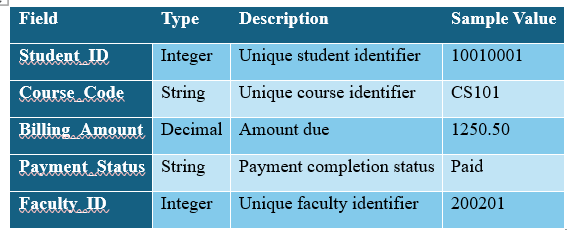
The data dictionary provides a shared reference for the fields used throughout the system.

Each definition includes information such as the field name, data type, purpose, and representative value so developers and analysts interpret system data consistently.

Trent College data dictionary showing student ID, course code, billing amount, payment status, and faculty ID fields
Sample SIS data dictionary

System modeling

Translating requirements into technical models

UML class diagram showing core entities within the Trent College Student Information System
UML class model of core system entities
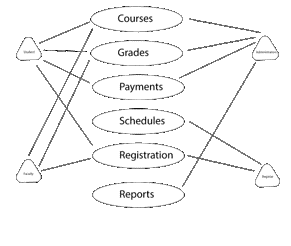
Use case diagram showing students, faculty, administrators, and registrar interactions with the Student Information System
Student Information System use case model

Database design

Structuring the data around real institutional relationships

The database model organizes core entities including students, courses, enrollment records, instructors, billing information, and schedules.

Primary and foreign keys establish the relationships needed to connect students to their courses, instructors, grades, and other institutional records.

  • Student records
  • Courses
  • Enrollments
  • Faculty
  • Billing
  • Schedules
Entity relationship diagram for the Trent College Student Information System database
Student Information System entity relationship model

User interface design

Designing one system for desktop and mobile access

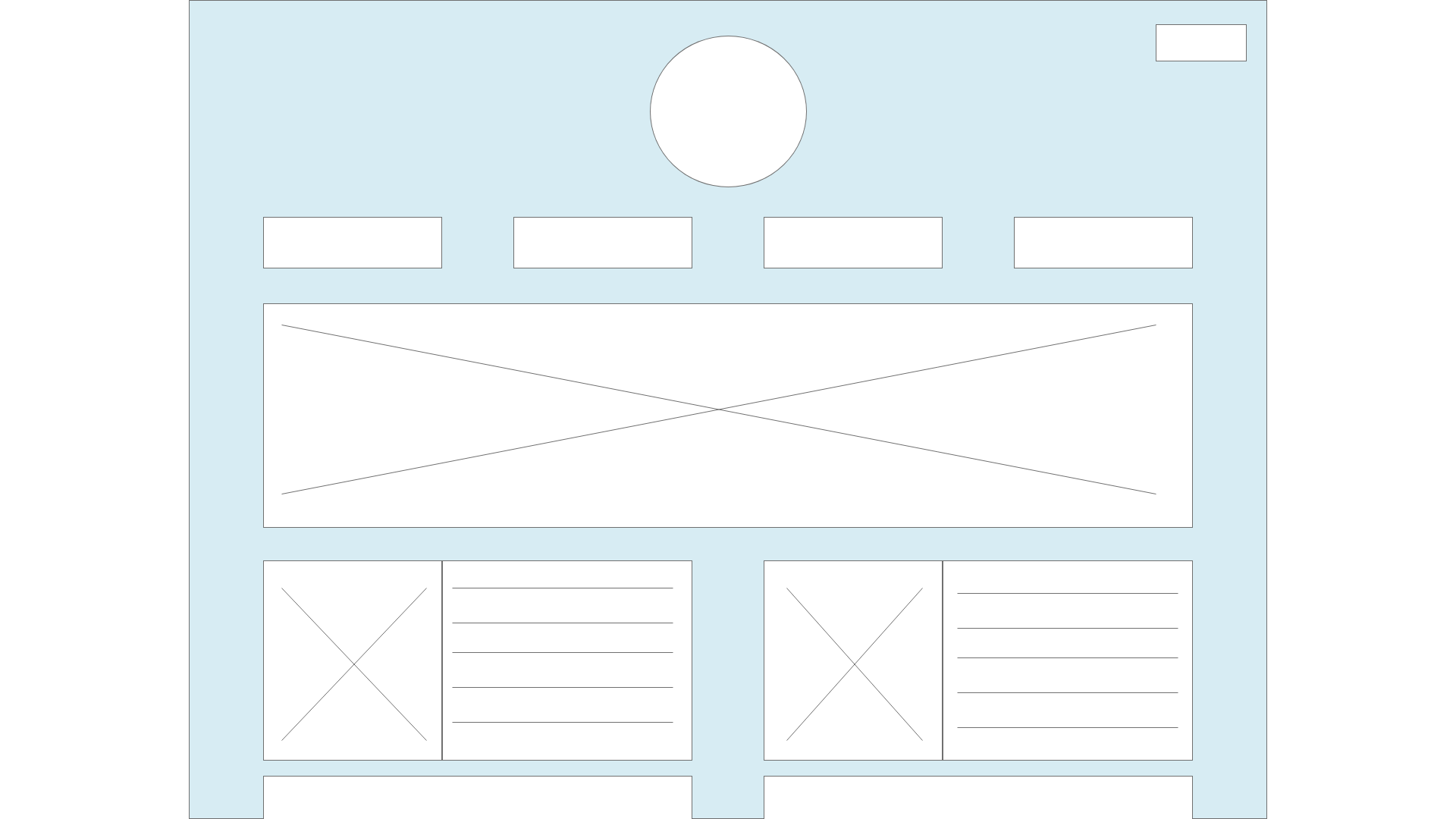
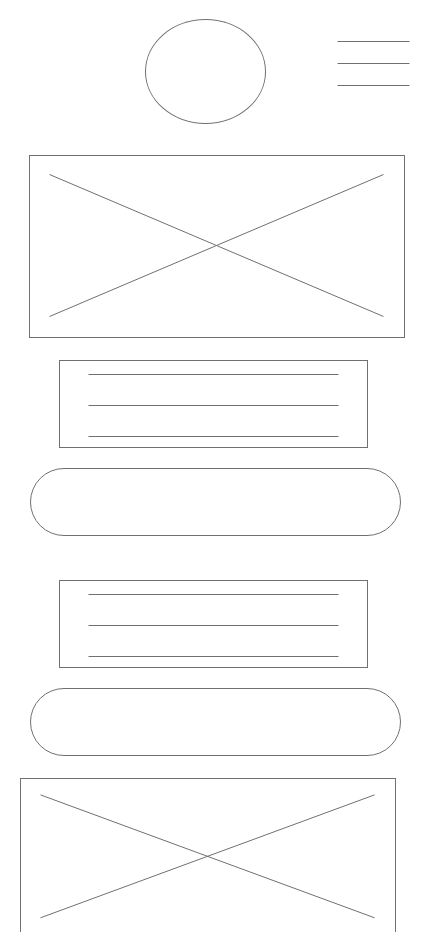
Dashboard concepts were developed for student, faculty, and administrative users with an emphasis on consistency, responsive layouts, clear navigation, and accessible interaction patterns.

Desktop dashboard wireframe for the Trent College Student Information System
Desktop dashboard wireframe
Mobile dashboard wireframe for the Trent College Student Information System
Mobile dashboard wireframe
01

Responsive layouts

Dashboards adapt to desktop and mobile environments.

02

Clear navigation

Consistent menus and labels reduce the effort required to locate common functions.

03

Accessible interaction

The proposal includes keyboard navigation, image alternatives, and sufficient color contrast.

Feasibility analysis

Evaluating whether the proposed system can realistically succeed

Operational

Fits institutional workflows

Training and documentation support adoption by staff, faculty, and students.

Technical

Uses scalable technologies

The architecture relies on established web, middleware, API, and database technologies.

Economic

Reduces long-term inefficiency

Initial implementation costs are offset through reduced duplication, improved processing, and lower licensing expenses.

Scheduling

Uses phased deployment

Planning, design, development, migration, testing, training, and deployment are organized into a structured project timeline.

Proposed outcome

One reliable system instead of disconnected applications

The proposed SIS creates a centralized source of institutional information that can improve data accuracy, administrative efficiency, reporting, communication, and the student experience.

Because the architecture separates interface, application logic, and data management, the system can also be maintained and expanded as the college's needs change.

What this project demonstrates

Systems thinking from requirements through implementation

  • Systems and requirements analysis
  • Stakeholder-centered planning
  • Business-process modeling
  • Data-flow analysis
  • UML and use-case modeling
  • Relational data design
  • Three-tier application architecture
  • Responsive interface planning
  • Accessibility considerations
  • Project scheduling and feasibility analysis

Continue exploring

See more software, database, and systems work.

View Software & IT Projects